

Transcript
[Transcript] Episode 525: Patrick Casale on Considerations for Diagnosing Neurodivergence in our Current Context
Evan Dumas
You’re listening to Group Practice Tech, a podcast by Person Centered Tech, where we help mental health group practice owners ethically and effectively leverage tech to improve their practices. I’m your co-host, Evan Dumas.
Liath Dalton
And I’m Liath Dalton, and we are Person Centered Tech.
Liath Dalton
This episode is brought to you by Therapy Notes. Therapy Notes is a robust online practice management and electronic health record system to support you in growing your thriving practice. Therapy Notes is a complete practice management system with all the functionality you need to manage client records, meet with clients remotely, create rich documentation, schedule appointments and bill insurance all right at your fingertips. To get two free months of Therapy Notes as a new Therapy Notes user go to therapynotes.com and use promo code PCT.
Evan Dumas
Hello and welcome to Episode 525: Patrick Casale on Considerations for Diagnosing Neurodivergence in our Current Context.
Liath Dalton
Today, I have the immense pleasure of being joined by my friend and colleague, Patrick Casale, of All Things Private Practice and Divergent Conversations, a TEDx speaker, soon to be published author, group practice owner and convener of the amazing community space that the Empowered Escapes Retreats provide to so many different therapists within our community. So Patrick, thank you so much for joining me.
Patrick Casale
Thank you. It’s surreal to hear some of those things behind my name, and always makes me unbelievably uncomfortable. So thank you for that Liath.
Liath Dalton
Oh, you’re welcome. You know, like, what are friends for, if not to make each other uncomfortable?
Patrick Casale
I know, like, people are like, You must be a three, right? And I’m like, No, I hate being perceived so much.
Liath Dalton
Yep. Well here, here we are, and we’re having a conversation today that is difficult to have, and that is really impactful, and that is around considerations for diagnosing neurodivergence in our current context. And this is something that you, Patrick, get to speak to from both a clinical perspective and a personal perspective. And I know it’s something that you’re navigating in your your own practice.
Liath Dalton
And part of what prompted me to ask you to have this difficult conversation is that I’ve been getting a lot of questions from providers who are trying to navigate this in their practice, and both in terms of new diagnoses and then with clients with an existing diagnosis who are understandably kind of freaked out and wanting to see if there’s any way to rescind that, right?
Patrick Casale
Yeah, so when I set the stage, you know, real quick, when I’m talking about this, per this topic, right, when we’re saying neurodivergence, oftentimes we are talking about autism and ADHD, and I just want to say, like, we don’t want to use neurodivergence interchangeably with those two terms, because neurodivergence is such a wide umbrella that covers so much.
Patrick Casale
So in this political climate and in this current era and iteration societally, we are really talking about autism specifically, and then ADHD as well, as two forms of neuro divergence. And they’re both neuro type eight, aka brain types. So I myself am an AuDHD or autistic ADHD group practice owner, therapist all the things. And yeah, this topic is, is is definitely an important one, especially, you know, as talks about autism registries and just eugenics based conversations start to take place and manifest in our country and in Western society. It’s also happening in the UK. I mean, this is not, this is not just a conversation happening here in the United States, but you know, probably for your listeners and our audiences, mostly being in the United States, just important to acknowledge that. So there’s a lot to unpack here, and I, you know, we can start wherever you want to start.
Liath Dalton
Um, I would say, let’s, let’s start with talking about what, what the kind of current climate is, and just the name the frame, right? What’s the context that we’re operating within?
Patrick Casale
Yeah. So things are definitely intensifying. I would say, you know, a couple maybe a month ago, there was a lot of conversation. I think this was very intentionally done during Autism Awareness Month back in April, two months ago, I guess now, three months ago, where there was a big conversation about creating an autism registry.
Patrick Casale
And I think that really, like talking about autistic people from that frame of reference, is really foundational setting the stage of saying like these people in this group of this marginalized community are not as valuable as other people because they’re a drain on society and resources and finances, and they make families, I think there was a quote that was like, makes families so much harder to have to, like, make decisions about things for their kids. And I think, I’m not even, I’m not even going to mention or name the person who said all of this stuff.
Liath Dalton
Yeah.
Patrick Casale
But, um, there was like commentary of like, autistic kids will never write a poem or hold a job or whatever.
Liath Dalton
Taxes.
Patrick Casale
Or pay taxes.
Liath Dalton
God knows that’s an important thing. Well, and you’re, you are a testament to how absolutely inaccurate all of that is, right? You are literally living proof that that is BS.
Patrick Casale
I’d love to not pay taxes. It would be great. Especially when you don’t agree with where your tax dollars are going or supporting or contributing.
Patrick Casale
But the reality is right, when we make statements like that, on a global stage, it’s also acknowledging like there are a lot of low support needs autistic people out there who would probably be deemed by society as quote, unquote, high functioning. But we’re trying really hard to get away from functioning labels, because they’re not affirming labels in terms of, you know, humanity.
Patrick Casale
But low support needs autistic people like myself, or what you would consider to be called level one autistic people, um, are going to be the people who you know are bucking up against that statement. Of like, but I’m living proof, I’m a testament that like we can do all of these things. However, it does leave out a large portion of the autistic community, which is the moderate and high support needs autistics who are going to need a lot of support, whether it be from the community, or from organizations, or from family members, for the rest of their lives.
Patrick Casale
And the purpose of the registry was going to be to track health data, and because there were a lot of statements coming out, very ableist based statements saying, like, autistic people will never do certain things, right? They’ll never be productive in society, and they’ll never contribute, and they’re always going to take up more resources.
Patrick Casale
And that’s really what those statements were about, right, is like saying these people, moderate and high support needs autistics, are not as valuable as other people because they don’t, quote, unquote, contribute in a productive way to society, because they’re not going to be the ones who are probably working, and potentially not able to do a lot of the things that I can do, on their own, without assistance.
Patrick Casale
When we get into this conversation about, like, productivity and that equating to value and personhood, it really is setting that stage, once again, to say, like, this is this population is a drain on society, which creates a lot of fear within the autistic community, right? And rightfully so, of like, what’s going to happen to us? Where are people going to end up? Or are we going to start to see like, autistic people rounded up into camps?
Patrick Casale
Because the same person has made and alluded to commentary about ADHD workplace camps and all other sorts of ableist nonsense. And it’s scary for a lot of people. And then add in like Medicaid cuts and all the funding cuts that just happened, transpired, and how many of those people are going to be reliant on Medicaid or Medicare for assistance, and are going to lose that in the blink of an eye.
Patrick Casale
It’s really, Can I curse on here? Just to emphasize a point.
Liath Dalton
Absolutely.
Patrick Casale
It’s just really fucking scary.
Liath Dalton
Yeah.
Patrick Casale
And I think that these attacks, and this, this verbiage, right, is like, like it coincides with the wording that they chose, which was, there’s an autism epidemic. And if we define epidemic, it means that there is a disease outbreak or that there is something that needs to be contained and eradicated, or eliminated. And that’s the use of that usage of that word was very intentional. So April was a hard month for us.
Liath Dalton
Yeah, yeah.
Patrick Casale
Which leads to the clinical conversation of, what do we do with diagnoses?
Liath Dalton
Right.
Liath Dalton
Right, because the, I think previously, there had been a like, a lot more conversation around this, a lot more awareness and desire to be providing accommodations and being inclusive and trying to address how ableist our society is. And what, what actually is valuable, and and how we kind of manage allocating that, that you are valuable, you are not valuable, you are, here is what is humanizing or dehumanizing.
Liath Dalton
And things had shifted, but at least from my perspective, a little bit like to a more positive place, where, where we were, you know, questioning the values of capitalism and productivity and, and sort of the domino effect, therefore, of of how that impacts our valuation around all of this. And now it feels like it’s just been a dramatic shift to the other end of the spectrum and kind of nightmare scenario.
Patrick Casale
Yeah.
Liath Dalton
So then the question is, how do we manage that? What is the, because we’re living in this context and don’t have a choice, right, what do we do?
Patrick Casale
Yep. So I think that for those of us who are in private or group practices, it’s a conversation like, if you’re going to be working with autistic or ADHD people, which a lot of you are, whether knowingly or unknowingly, it’s about conversation and transparency and education and awareness. And the reality is this: self determination is paramount.
Patrick Casale
So for my group practice, who is predominantly made up of autistic or ADHD or AuDHD therapists, we get a lot of those clients. And it’s about education, if people are coming in seeking diagnosis. Because diagnosis, especially later in life, for those who have gone through most of their lives undiagnosed, without understanding, you know, all of the challenges and complications and struggles they’ve had, because I believe a lot of them, including myself, have been on this, like, unrelenting search for meaning, belonging and understanding their entire lives. Diagnoses can be unbelievably validating.
Patrick Casale
However, dot, dot, dot, there’s a lot of nuance in this. Of like, yes, unbelievably validating, probably life saving, and life changing. And if you’re using your health insurance also public record.
Liath Dalton
Right.
Patrick Casale
So for us, I think it’s about having that transparent conversation at the forefront, of we can absolutely explore this, do you want this information included in your medical chart and record, if you are using your health insurance? Because, in reality, most autistic and ADHD people are going to qualify for other mental health conditions and diagnoses. I mean, there’s a large percentage of us who have experienced some sort of trauma history. There’s a lot that can be clinically finessed and worded appropriately.
Patrick Casale
But some people want that that diagnosis in their chart to be a part of their record, and that’s why self determination is so important. But that’s also why it’s important to go over risks,
Liath Dalton
Yes.
Patrick Casale
benefits, and then allowing, with the appropriate amount of education and support and awareness and information, for your client to make that decision. Because that diagnosis being in your chart, especially, you know, health insurance related, who knows where that information goes in this day and age?
Liath Dalton
Right.
Patrick Casale
And also, like, there’s also the flip side where it’s like, that is what’s going to be used for accommodation requests.
Liath Dalton
Right.
Patrick Casale
So it’s really tricky, and I think it’s about really delicately navigating both sides, where you will have a lot of nuance and a lot of conversation and a lot of discussion about, why is this important to you? For a lot of us who are later in life discovering, it’s more about validation, it’s more about understanding and awareness for our sense of self.
Patrick Casale
Because we’ve struggled so long to have that understanding and to see ourselves in that light. So for me, I would not give a shit if it was in my medical record or not. I just want to know.
Liath Dalton
Right.
Patrick Casale
But for those who are seeking like scholastic and workplace and collegiate accommodations, it unfortunately does need to be prevalent and exist somewhere.
Liath Dalton
Can you expound on the sort of benefits and risks conversation and what what that looks like?
Patrick Casale
Yeah, so the benefit piece is really accommodation specific, you know? And that, and still, we’re still in, like, the medieval times of this, where colleges are not going to accept that diagnosis from anyone but a neuropsychologist, even though mental health therapists can definitely diagnose autism and ADHD.
Patrick Casale
Some workplaces are going to say, yeah, we need a full psychological evaluation and assessment, opposed to just like a mental health assessment, going through some of the basic screeners and criteria. Which is, is frustrating. But nevertheless that that’s just a part of playing that game. And the same thing for school systems.
Patrick Casale
So for those of you who have kiddos who are needing of like an IEDP, or a individualized plan, you’re going to need that, that diagnosis as that foundation, as saying, like, this is why we need these accommodations in place, right? So that would be the benefit.
Patrick Casale
In my opinion, the biggest benefit is the accommodations piece, right? We could talk about a lot of negatives and consequences and risks, and some of those risks are immediate and apparent, about like, if they’re going to make an autism registry, if they’re going to track autistic data, if this is going to lead to harm. Because why would we believe that data is being collected for any other reason than for a negative outcome? That’s paramount. That, for me, is like number one.
Patrick Casale
Number two. If you are thinking, and you’re listening to this podcast, and you’re like, I want to emigrate out of this country, there are certain countries where you cannot immigrate to with an autism diagnosis. Australia and Canada are actually up there as some of those countries. There have been, since some
Liath Dalton
I did not know that.
Patrick Casale
Yeah, so. And the reasoning behind that was, countries that have those in place are basically saying we don’t want someone to move here and then be, quote, unquote, a drain on our resources for our citizens. You’re going to take up more resources, medically and clinically and psychologically, and whatever. They have some verbiage of like, oh, if you can prove that you don’t actually need these things, then maybe you can come here. So that gets really murky. So that’s another risk.
Patrick Casale
I myself was denied an increase in life insurance coverage because of my diagnosis, that happens to people. There’s also the risk of getting a diagnosis, publicly outing, coming out to your work place or your friends, and having major ramifications. Like the ADA exists, but the reality is, if you come out to your workplace and say, hey, I just found out I’m autistic, I need these accommodations, although that your workplace is supposed to support you, that’s not always the case. It can certainly lead to discrimination. It can certainly lead to, like, bullying. Can certainly lead to harassment, and it can also lead to like causation for firing or termination if all of a sudden, these accommodation requests seem like they’re building up. So there are a lot of risks.
Patrick Casale
For me, I think, like living in the world of low support needs, adult discovery for autism, ADHD, a lot of people figuring this out later in life, it’s really less about the paperwork and much more about the, I finally understand myself for the first time in my life. And I think that is so valuable and so powerful and so important. And I also don’t need that to be like written down on a piece of paper.
Liath Dalton
Right. So then how, how do you, I’m imagining that there is a difference in how it’s navigated with kiddos, right? Because of the implications long term, but also the immense needs that they are going to have present in their in order to, like, get them through childhood, right? Um. And what it looks like for adults who, like you, are, are more low support needs, but have have a understandable need to be seen and validated and understood and have things fall into place. So how, how do you sort of manage those things, both with kiddos and adults?
Patrick Casale
Yeah, I think it’s, you know, just different, different needs, right? I think a lot of us who were, who discovered that we’re autistic or ADHD later in life, we probably were either high maskers or low support needs. We had maybe the appropriate supportive family environment or a scholastic environment growing up. So maybe our autistic traits or ADHD traits weren’t that apparent. Like maybe, because we were such so good at high masking, and maybe because we had just the right scenario, it wasn’t apparent until we got older, and all of a sudden, life got more stressful, and our masking like strategies were outweighed by our distress symptoms and experiences with just living and existing in that world.
Patrick Casale
And all of a sudden you’re like, oh my god, I’m I’m really struggling. What the hell is happening here? I’ve tried all these diagnoses and none of them fit, and here we are. Which tends to happen to a lot of people who figure this out later in life.
Patrick Casale
If you’re a kiddo, right, I mean, you’re either going to have someone who picks up on this pretty early on. Whether it’s your family, whether it’s your teachers, whether it’s someone involved, right? They’re going to see there’s something happening here. I’m going to probably get my kid tested and have a neuropsych evaluation, because I’m kind of curious if they’re autistic or ADHD, or what else is going on, so I can support them. Which is great early on, you know, if you can figure that out early and support early and build in accommodations, it’s fantastic.
Patrick Casale
But, you know, knowing what we know about our school systems and our education systems. A lot of these school places and education systems in place are not really designed to support autistic, ADHD, neurodivergent students in general. So you might have a plan in place, but that doesn’t mean you really are getting the appropriate support and accommodations that you need.
Patrick Casale
So it doesn’t necessarily make life that much easier. It’s just, hey, now I know early on that I’m autistic or ADHD, and probably going to get bullied throughout most of my childhood and adolescence for this, and who the hell knows what ends up happening stress wise in that capacity? So I think that again, it comes back to accommodation requests. I think it comes back to like, trying to get the right supports in place. There are a lot of parents who are very proactive, who are like, I need to get an OT involved. I need to get a therapist who understands this involved. But there are also, that’s the other side of the coin, where nothing gets done in terms of building and support. So it really just depends.
Liath Dalton
Yeah. So what are some of the, I mean, co-occurring diagnoses that can be applied in in practice, and which can support maybe other accommodations being provided, or just a sense of understanding, without necessarily having that that label affixed, that has the implications that it does?
Patrick Casale
Yeah, I think that if we’re looking at like trauma disorders or trauma related diagnoses, because in all likelihood, like I said, there’s a high propensity for both to coexist. You know, depending on where you are, adjustment disorders are always appropriate, right? Because, like, who the hell is adjusting to the current state of the world appropriately, or in a healthy way?
Liath Dalton
Yep.
Patrick Casale
So there are, there are creative workarounds. You know, you just have to really be in communication with your clients about about that. Because I would really, if they’re coming in seeking that diagnosis for understanding purposes, I would want to deep dive that with them. And if it is in case the appropriate diagnoses, then you start having that conversation of, where do you want this to end up? Do you just want to own this information and have it to yourself? Do you want this in your chart for whatever purpose?
Patrick Casale
And that’s when I would go down that map of like, this is this is the positive, this is the negative, this is the positive, this is the negative. But stress related disorders and conditions and trauma related disorders and conditions are unbelievably appropriate in this scenario. And I would almost, I would be unbelievably shocked if your autistic or ADHD clients did not meet criteria for some sort of trauma disorder or reaction.
Liath Dalton
Right. And then if we’re looking at medical necessity and treatment planning and how all of that goes, I would see where those diagnoses would be completely in line with what is kind of most impactful on the day to day functioning, right and and what needs to be provided for in order to manage those aspects of life.
Patrick Casale
Yeah, we just want to have the right support needs in place. You know, that’s really the end all be all for this. Is like, not all autistic and ADHD people are going to have the same distress experiences. Not everyone is going to have the same distress reaction. Some people, because they have the right supports in place may, honestly, if you are just going by the DSM, meet criteria for just like Autism Spectrum Disorder or autistic traits, because you have the right supports in place, maybe certain autistic traits are not that apparent because you’re not in significant distress all the time.
Patrick Casale
But if you’ve lived most of your life with a significant amount of distress, and you’re just high masking trying to get by, it’s likely that every single one of those traits is like, amplified times 1000 and just sending up the signals of, like, I need I need help. Like, I don’t know what’s happening here. Which is what happened to me, and happens to so many people, is you end up in autistic burnout, but you don’t know you’re autistic, and it’s really hard to come back from.
Liath Dalton
Yeah, I have a loved one with that experience in, in their life, and the, yep, the, the trauma from not having it understood for so long, and basically they just hit a, hit a wall with no longer being able to continue masking. And
Patrick Casale
Yeah.
Liath Dalton
and for them, finally getting that late in life diagnosis was a huge relief, like release of a pressure valve of, okay, I’m I’m finally seen, seen and understood, at least within a certain circle, right?
Patrick Casale
Right.
Liath Dalton
So, I so appreciate the kind of guidance of we can have conversations with clients around what the implications are, both positive and negative of the diagnosis and your it doesn’t have to be an all or nothing thing, which is something that, I think, in a kind of reactive panic mode state, some, some clinicians are feeling. Of like, oh my gosh, if I can’t provide this diagnosis, then what do I do? How, and access to care is so important that a lot of the clients who this is applicable to, are having to be insurance based, so if I can’t provide a diagnosis and document medical necessity, etc, etc, then we’re just up a creek.
Patrick Casale
For sure.
Liath Dalton
And so realizing there are ways to address it that are like ethical and clinically sound
Patrick Casale
Yeah.
Liath Dalton
As well.
Patrick Casale
Yeah and I just think about how often I’ve been misdiagnosed in my life, you know? Like,
Liath Dalton
Yeah.
Patrick Casale
So many diagnoses throughout my life where it was like OCPD, Bipolar II, OCD, this, this, this, generalized anxiety, meant major depression. And it’s like, we’re so quick to slap these diagnosis on people, but now with a conversation of withholding, a lot of people can get really frustrated or resistant to that because it’s like, that’s not ethical. It’s like, yeah, but we slap inaccurate diagnoses on people all the time based on like, one or two intake sessions. So I think it’s just fascinating, you know?
Liath Dalton
Yeah, and I would also like, guide folks to think about how, if they’re working with couples, right, there’s always this line of the insurance model versus the clinical model. Right? Where the relationship is the client, versus having an identified patient for insurance purposes and that patient has the diagnosis, yada yada.
Liath Dalton
And that’s something that we figure out how to manage and keep consistent and have transparency and have the difficult conversations about, yes, there’s going to be a power differential, because one of you is the identified client with the diagnosis and rights of access to your records, etc. So this is just, just another way that we have to kind of figure out how to navigate the system, but always be centering the client and what they’re, that’s what it all comes back to, right?
Patrick Casale
Yep, 100%. That’s why self determination is paramount. You know, I think that, that it always comes back to, and that includes, like, how do clients want to talk about themselves? Do you want identity first language, which is typically preferred in the autistic advocacy and affirming spaces? Or do you still talk in person centered language? Do you still say, you know?
Patrick Casale
Like, it’s always about self determination, and I never try to change clients minds or people’s minds. It’s just about offering education and information and then helping them make a decision and supporting them through that. There’s also an enormous amount of grief and relief for people who are diagnosed later in life, and that’s something to help people carry too is, you know. Like my esteemed co-host on Divergent Conversations always says, like helping hold the heavy, that’s really the reality. It’s like that’s that’s kind of part of the journey.
Liath Dalton
Absolutely. Well, Patrick, thank you for all that you provide in, in the world, for for folks and, and for clinicians and I so appreciate that you, you know, have a practice that serves this population, but also that you have created a workplace that serves the therapists who are also, you know, navigating this journey. So can you tell us, just to end on a high note about the two upcoming trainings that you’re going to be doing for the PCT community?
Patrick Casale
Yeah, I’m super excited to be involved in that. And these are trainings that I really enjoy. So one is going to be how to create a neurodivergent affirming private practice. So just from like your website, copy, your intake process, how you navigate the world and show up on on things, and how to support your clients through that journey as well.
Patrick Casale
And then followed up by how to create a neurodivergent affirming group practice and workplace culture, which I think is a really important conversation as well. Where we’ll talk about how to support your staff, how to support different communication needs, different neurotypes, and how to build cohesive culture.
Liath Dalton
I am so excited for both of those trainings, and appreciate the value that they will bring to to the community, and it’s just as always been a pleasure having a conversation with you. Patrick, I appreciate you as a human so much.
Patrick Casale
Back atcha. I appreciate you too. Liath, thank you so much.
Liath Dalton
All right, folks, we’ll chat to you next week.
Liath Dalton
This has been Group Practice Tech. You can find us at personcenteredtech.com. For more podcast episodes, you can go to personcenteredtech.com/podcast, or click podcast on the menu bar.
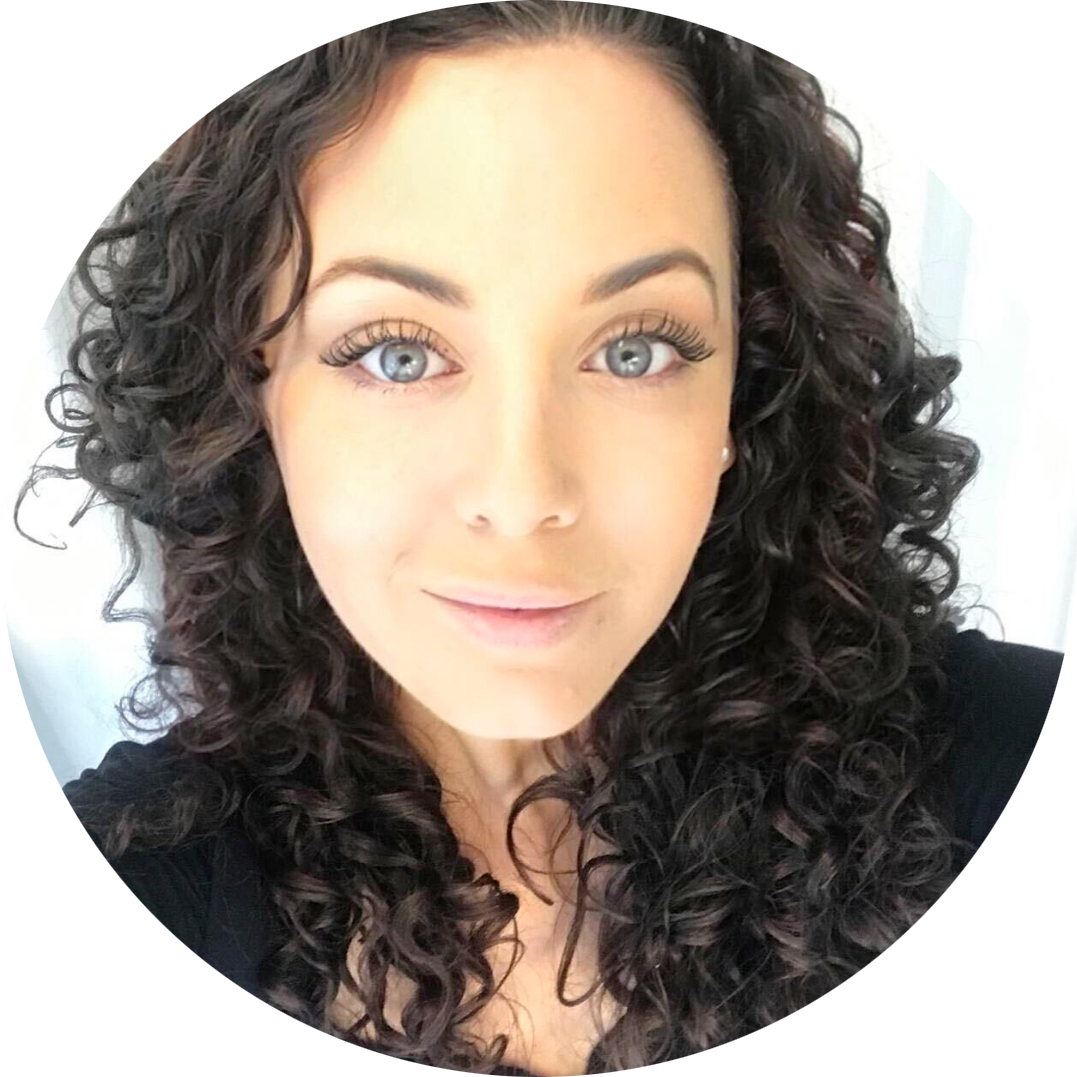

Your Hosts:
PCT’s Director Liath Dalton
Special Guest Patrick Casale, LCMHC, LCAS
Welcome solo and group practice owners! We are Liath Dalton and Evan Dumas, your co-hosts of Group Practice Tech.
In our latest episode, Patrick Casale joins us for a difficult but necessary conversation on the implications of diagnosing neurodivergence in our current social and political context.
We discuss:
- The current social and political context that is causing concern for neurodivergent people and their loved ones
- Client self-determination in determining if diagnosis goes into their medical record
- The benefits of having a diagnosis on the record
- The risks of having a diagnosis on the record
- How to educate and support clients making decisions around diagnosis
- Co-occurring disorders that may apply to help secure accommodations for clients
- Ethical considerations around diagnoses
- Patrick’s two upcoming trainings with PCT on creating a neurodivergent private practice and creating a neurodivergent affirming group practice

Therapy Notes proudly sponsors Group Practice Tech!
TherapyNotes is a behavioral health EMR/EHR that helps you securely manage records, book appointments, write notes, bill, and more. We recommend it for use by mental health professionals. Learn more about TherapyNotes and use code “PCT” to get two months of free software.
*Please note that this offer only applies to brand-new TherapyNotes customers
Resources for Listeners
PCT Resources:
- CE Training, presented by Patrick: Creating a Neurodivergent-Affirming Group Practice Live (August 1st) and Recorded
- Creating an environment where everyone thrives is important to so many group practice leaders. But the current social context has shifted, and keeping your environment affirming for neurodivergent clinicians, staff, and clients has become more complex. Join Patrick Casale LCMHC NCC, as he discusses neurodivergent-affirming leadership and strategies that promote equity, agency, and neurodivergent representation.
- CE Training, presented by Patrick: Creating a Neurodivergent-Affirming Private Practice Live (July 25th) and Recorded
- Join Patrick Casale LCMHC NCC, as he equips mental-health clinicians with the knowledge and practical tools to build and run a truly neurodivergent-affirming private practice.
- On-Demand CE Training, presented by Emily Decker, MS, LPC, NCC: Can You Hear Me? The Legal and Ethical Role of Accessibility in Anti-Oppressive and Neurodivergent-Affirming Teletherapy
- This training aims to create familiarity and comfort for therapists providing teletherapy and combat stigma and inaccessibility in teletherapy. The conversation is situated within an anti-oppressive and neurodivergent-affirming framework, connecting concepts of accessibility and disability justice with mental health care, and provides an overview of legal and ethical issues pertaining to accessibility within teletherapy, including identifying and dispelling common myths about accessibility and disability, and identifying specific, concrete resources for therapists to use to enhance the accessibility of their services.
Connect with Patrick’s Work:
- Patrick’s podcast: Divergent Conversations
- Patrick’s podcast: All Things Private Practice
- Empowered Escapes: intentionally curated destination retreats & summits for mental health entrepreneurs
Group Practices
Get more information about how PCT can help you reach HIPAA compliance while optimizing and streamlining your practice.
Solo Practitioners
Get more information about how PCT can help you reach HIPAA compliance while optimizing and streamlining your practice.