

3 CE Credit Hour Presentation on Documentation and Progress Notes
Client-Centered Documentation: How to Write Ethical, Effective, and Efficient Progress Notes
Join Dr. Maelisa McCaffery as she offers a practical and principled guide to mastering progress notes that meet medical necessity standards, support continuity of care, and respect client rights and confidentiality.
Plus: Dr. McCaffery’s documentation packet to help you improve your notes including:
- Sample progress note
- Progress statement formula and examples
- Phrases to use for sensitive and politically charged topics
3 legal ethical CE credit hours
On-Demand Self Study
Real feedback from the live event:
“This was the best $74 I’ve ever spent! Thank you!”
“I love the handout!!”
“Excellent training. Very informative and helpful. Easy to understand. Thank you.”
“Absolutely phenomenal!”

Documentation Bundle

“What goes in a progress note?”
Clinical documentation is more than a requirement—it’s imperative for ethical mental health care. However, this knowledge often creates stress for mental health clinicians who seek clear guidelines to answer the very practical question of “What goes in a progress note?”
This comprehensive course offers a practical and principled guide to mastering progress notes that meet medical necessity standards, support continuity of care, and respect client rights and confidentiality.
Participants will explore how to craft documentation that is clinically meaningful, defensible, and sustainable—without falling into the trap of lengthy or performative note-taking. The course dives into key distinctions between progress notes and psychotherapy notes, the ethical and practical nuances of collaborative documentation, and strategies for ensuring documentation supports rather than hinders the therapeutic process.
We’ll also examine practical scenarios at the intersection of clinical judgment and privacy ethics. Specifically, we will identify how to responsibly incorporate AI tools to streamline documentation workflows, and how to navigate documentation of sensitive or stigmatized topics such as gender identity, immigration status, and reproductive healthcare.
Who is this event for?
This course is designed for solo practitioners, group practice leaders, and group practice clinical staff members. It is also suitable for practices that consist of 100% in-person, 100% telehealth, or a mixture of in-person and telehealth treatment.
Additionally, this is designed to help mental health professionals write with clarity, efficiency, and care – empowering you to maintain compliance, reduce risk, and enhance your therapeutic work. Bring your questions and come prepared for an interactive and common sense presentation that will provide tools you can use immediately.
 In-person Practices
Hybrid Practices
Teletherapy Only Practices

Plus a Documentation Pack to Improve Your Notes:
- Sample progress note
- Progress statement formula and examples
- Phrases to use for sensitive and politically charged topics
I’ve been watching several of your CE programs and, while I’ve always been impressed with your services, I just have to say, your programs are excellently done with production and content and simultaneously warm and accessible. I really appreciate what you do!

Legal and Ethical Principles
Explain the relevant ethical principles and laws that apply to progress notes.

Practical Documentation Strategies
Identify at least two phrases to use in progress notes for sensitive and politically charged topics.

Medical Necessity and Insurance Requirements
Define medical necessity and how to write a progress statement that meets criteria for common insurance requirements.

Documentation Requirements
Differentiate between progress notes and psychotherapy notes, and determine appropriate use and storage of each.
Course Details
3 CE Credit Hour. Self Study
Title: Client-Centered Documentation: How to Write Ethical, Effective, and Efficient Progress Notes
Authors/Presenters: Dr. Maelisa McCaffrey, PsyD
CE Length: 3 CE credit hours, legal-ethical
Legal-Ethical CE Hours: 3 legal-ethical CE hour
Educational Objectives:
- Explain the relevant ethical principles and laws that apply to progress notes.
- Identify at least two phrases to use in progress notes for sensitive and politically charged topics.
- Define medical necessity and how to write a progress statement that meets criteria for common insurance requirements.
- Differentiate between progress notes and psychotherapy notes, and determine appropriate use and storage of each.
Syllabus:
- Introductions
- Ethics, HIPAA, and State Laws
- Ethics guidelines and laws related to documentation
- Informed consent as an ongoing process
- Psychotherapy versus progress notes
- Client Care and Clinical Documentation
- Information blocking and access to records
- Collaborative documentation
- Sensitive and politically charged topics in documentation
- Daily Dilemmas in Documentation
- Using AI for progress notes
- Documenting medical necessity
- Managing logistics without burning out
- Final Reflection and Q&A
Note: Yes! Medical necessity will be addressed in this presentation.
Meet Our Presenters
Presented by
Dr. Maelisa McCaffery, PsyD
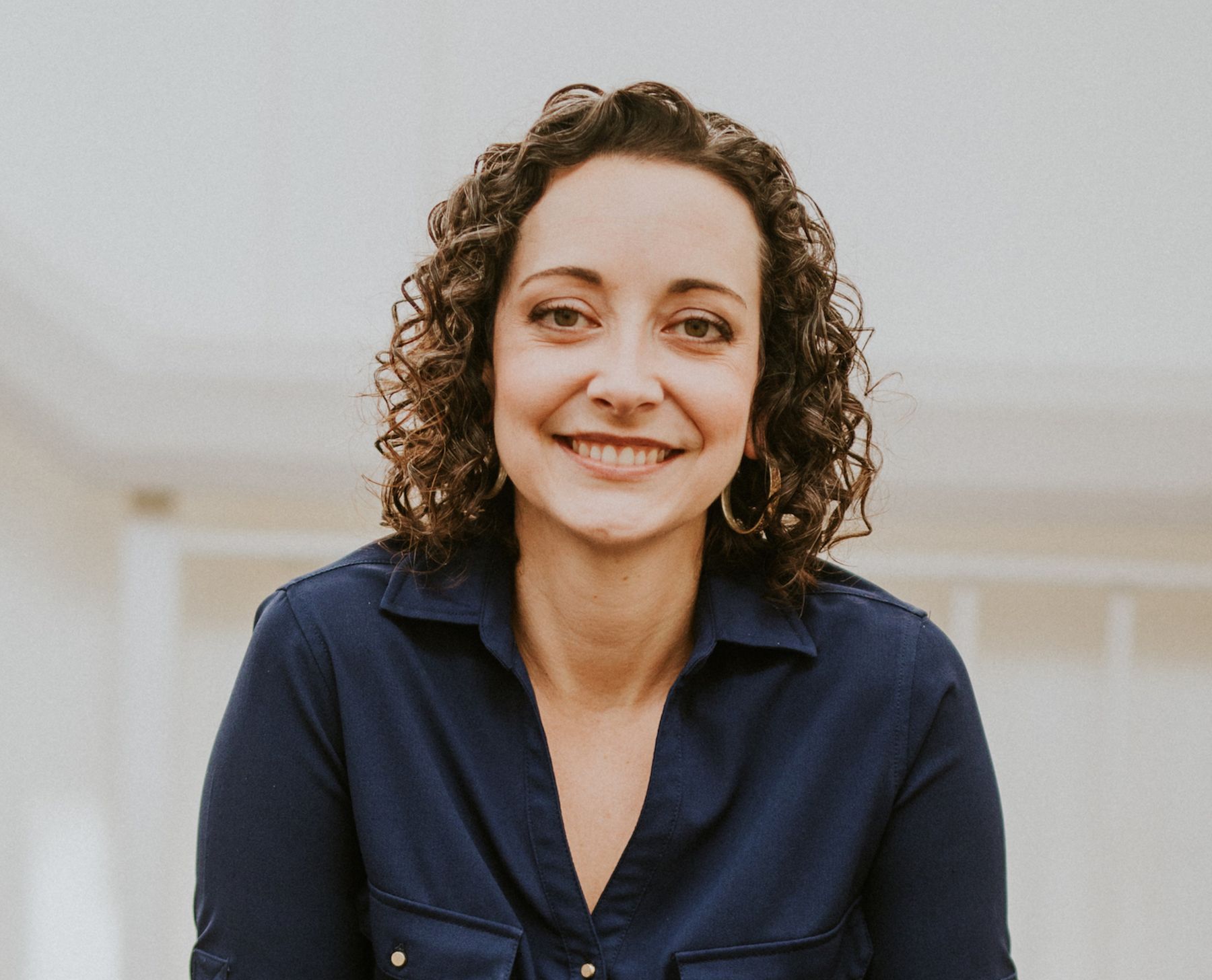
Dr. Maelisa McCaffery is a licensed psychologist, nail design enthusiast, and multi-passionate entrepreneur. With her business QA Prep, she empowers therapists with training and consultation on clinical documentation. Maelisa focuses on the “why” behind the usual recommendations and encourages clinicians to think outside the box, while also keeping their ethics intact. As a true ENFP, Maelisa aims to make sure all of her endeavors are meeting a need in the community while also allowing for plenty of laughter and fun.
Website/Business Links:
QA Prep https://www.qaprep.com/
Resources & Citations
- American Association for Marriage and Family Therapy. (2015). AAMFT Code of Ethics. Alexandria, VA: AAMFT.
- American Counseling Association. (2014). ACA Code of Ethics. Alexandria, VA: ACA
- American Mental Health Counselors Association. (2020). AMHCA Code of Ethics.
- American Psychological Association. (2017). Ethical Principles of Psychologists and Code of Conduct (Washington, DC: American Psychological Association, 2017). http:// www.apa.org.ethics
- American Psychological Association. (2021). Professional Practice Guidelines for Evidenced-Based Psychological Practice in Health Care. American Psychological Association. https://www.apa.org/about/policy/psychological-practice-health-care.pdf
- APA Dictionary of Psychology. (2023, November 15). Informed consent. American Psychological Association. https://dictionary.apa.org/informed-consent Chow, D. (2018). The First Kiss: Undoing the Intake Model and Igniting the First Session in Psychotherapy. Correlate Press.
- Centers for Disease Control. (2024, May 15). Health Insurance Portability and Accountability Act of 1996 (HIPAA). https://www.cdc.gov/phlp/php/resources/health-insurance- portability-and-accountability-act-of-1996-hipaa.html?CDC_AAref_Val=https://www.cdc.gov/phlp/publications/topic/hipaa.html
- Houston, M. (2017). Treating Suicidal Clients & Self-Harm Behaviors. PESI Publishing & Media.
Johnson, J., Hall, L. H., Berzins, K., Baker, J., Melling, K., & Thompson, C. (2018). Mental healthcare staff well-being and burnout: A narrative review of trends, causes, - implications, and recommendations for future interventions. International Journal of Mental Health Nursing, 27(1), 20–32. https://doi.org/10.1111/inm.12416
Lim, C. T., Fuchs, C., & Torous, J. (2024). Integrated Digital Mental Health Care: A Vision for Addressing Population Mental Health Needs. International Journal of General - Medicine, 17, 359–365. https://doi.org/10.2147/IJGM.S449474
Maniss, S. & Pruit, A. G. (2018). Collaborative Documentation for Behavioral Healthcare Providers: An Emerging Practice. Journal of Human Services: Training, Research, and - Practice, 3(1).
Matthews, E. B. (2020). Computer use in mental health treatment: Understanding collaborative documentation and its effect on the therapeutic alliance. Psychotherapy, - 57(2), 119–128. https://doi.org/10.1037/pst0000254
McCaffrey, M. (2024). Using Artificial Intelligence (AI) as a Mental Health Clinician: Managing risk, ethics, and clinical benefits. - Nagy, G.A., Cassiello-Robbins C., Anand, D., Arnold, M., Coleman, J., Nwosu, J., Singh, R., and Woodward, E. (2022). Building a multicultural peer-consultation team: Planning, implementing, and early sustainment evaluation. Transcultural Psychiatry, 59(6), 844-862. doi:10.1177/13634615221105117
- Nathan, W. & Desposito, M. (2023, October). The benefits of clinical consultation groups. American Counseling Association. https://www.counseling.org/publications/counseling- today-magazine/article-archive/article/legacy/the-benefits-of-clinical-consultation-groups
- National Association of Social Workers. (2021). NASW Code of Ethics. https://www.socialworkers.org/About/Ethics/Code-of-Ethics/Code-of-Ethics-English#principles
- National Association of Social Workers. (2005). NASW Standards for Clinical Social Work in Social Work Practice. Washington, DC: NASW.
- Office of the National Coordinator for Health Information Technology. (n.d.). Retrieved March 17, 2024 from https://www.healthit.gov/faq/what-electronic-health-record-ehr
- Onyeaka, H., Ajayi, K. V., Muoghalu, C., Eseaton, P. O., Azuike, C. O., Anugwom, G., Oladunjoye, F., Aneni, K., Firth, J., & Torous, J. (2022). Access to online patient portals among individuals with depression and anxiety. Psychiatry Research Communications, 2(4), Article 100073. https://doi.org/10.1016/j.psycom.2022.100073
- Peck, P., Torous, J., Shanahan, M., Fossa, A., Greenberg, W. (2017). Patient access to electronic psychiatric records: A pilot study. Health Policy and Technology, 6(3), 309-315. Pope, K., Vasquez, M., Chavez-Duenas, N., Adames, H. (2021). Ethics in Psychotherapy and Counseling (6th ed.). John Wiley & Sons, Inc.
- Posluns, K., & Gall, T. L. (2020). Dear Mental Health Practitioners, Take Care of Yourselves: A Literature Review on Self-Care. International Journal for the Advancement of Counseling, 42(1), 1–20. https://doi.org/10.1007/s10447-019-09382-w
- Sabri, B., Tharmarajah, S., Njie-Carr, V. P. S., Messing, J. T., Loerzel, E., Arscott, J., & Campbell, J. C. (2022). Safety Planning With Marginalized Survivors of Intimate Partner Violence: Challenges of Conducting Safety Planning Intervention Research With Marginalized Women. Trauma, violence & abuse, 23(5), 1728–1751. https://doi.org/ 10.1177/15248380211013136
- Schwarz, J., Bärkås, A., Blease, C., Collins, L., Hägglund, M., Markham, S., & Hochwarter, S. (2021). Sharing Clinical Notes and Electronic Health Records With People Affected by Mental Health Conditions: Scoping Review. JMIR Mental Health, 8(12), e34170. https://doi.org/10.2196/34170
- US Dept. of Health and Human Services. (2006). HIPAA Administrative Simplification. Washington, DC: Author.
- US Dept. of Health and Human Services. (2013). HIPAA Omnibus Final Rule. Washington, DC: Author.
- van Rijt, A. M., Hulter, P., Weggelaar-Jansen, A. M., Ahaus, K., & Pluut, B. (2021). Mental Health Care Professionals’ Appraisal of Patients’ Use of Web-Based Access to Their Electronic Health Record: Qualitative Study. Journal of Medical Internet Research, 23(8), e28045. https://doi.org/10.2196/28045
Accuracy, Utility, and Risks Statement: The contents of this program are based primarily on the presenters’ extensive combined experience handling legal, ethical, and usable paperwork needs for mental health organizations. Statements about applicability are according to presenters’ understanding of the state of the art and legal precedents at the time of presentation. This program discusses strategies for complying with applicable ethics codes and laws, for improving clinical documentation, and the informed consent process. It may not include information on all applicable state laws. Misapplication of the materials, or errors in the materials, could result in non-compliance with applicable laws or ethics codes.
Conflicts of Interest: Dr. McCaffery is the CEO of QA Prep, an organization which provides additional resources and consultation on clinical documentation for mental health professionals, which may be mentioned as an optional resource for learners.
Commercial Support: none.