

Transcript
[Transcript] Episode 529: The Curation of Clinician Resources for Therapist Headquarters with Frances Harvey
Evan Dumas
You’re listening to Group Practice Tech, a podcast by Person Centered Tech, where we help mental health group practice owners ethically and effectively leverage tech to improve their practices. I’m your co-host, Evan Dumas.
Liath Dalton
And I’m Liath Dalton, and we are Person Centered Tech.
Liath Dalton
This episode is brought to you by Therapy Notes. Therapy Notes is a robust online practice management and electronic health record system to support you in growing your thriving practice. Therapy Notes is a complete practice management system with all the functionality you need to manage client records, meet with clients remotely, create rich documentation, schedule appointments and bill insurance all right at your fingertips. To get two free months of Therapy Notes as a new Therapy Notes user go to therapynotes.com and use promo code PCT.
Liath Dalton
Welcome to Episode 529: The Curation of Clinician Resources for Therapist Headquarters with Francis Harvey.
Liath Dalton
Today, I am joined by the wonderful Francis Harvey, a seasoned practice consultant, system strategist, and longtime advocate for therapist success over her decades in the mental health space, Frances has helped countless therapists streamline their practices and build sustainable businesses. Now she’s bringing all of that wisdom into her newest project, Therapist Headquarters, a centralized hub for curated, high quality resources to support therapists and their practices.
Liath Dalton
We’re going to be talking about the inspiration behind Therapist Headquarters, the process of finding and vetting the best resources out there, and a little bit about why Francis sees HIPAA compliance and digital ethics and trusted partners like PCT as essential parts of running a thriving modern practice.
Liath Dalton
Welcome Francis, so glad to have you with us.
Francis Harvey
Thanks so much. It has been such a pleasure spending time with you, and I’m so glad to be here.
Liath Dalton
Oh, thank you. Well, I appreciate all of the work and support that you have provided to the community over your many years of work in this field, and before we kind of get into the meat of the conversation. should say that our sort of relationship origin story goes back to when you were providing a support role for one of your group practice clients that was a mutual client of Person Centered Tech’s, and so we got to collaborate around that project and interface through through that experience.
Liath Dalton
And now here we are getting to talk about this new venture that really is the culmination of so much of your experience and insight and all of that time spent working in support of therapists and therapy practices. So could you share the origin story of Therapist Headquarters? What inspired you to create it, and how did your own journey really shape your vision for it?
Francis Harvey
Absolutely, I would be honored to do that.
Francis Harvey
So the inspiration really comes from a long term passion. I’m really a hop skip and a jump away from 20 years of being in mental health. And my whole passion and desire is to support and help therapists in private practice.
Francis Harvey
Because when I first started out in the industry, I was the director of a large counseling center in Southern California. And it was corporate for better, lack of term, and I just got to the point where I couldn’t do it anymore, because I could not see therapists in private practice having to try to fit into cookie cutter situations, and that’s what it was.
Francis Harvey
So I resigned. I started my first business, My Solution Services, and ever since, and my passion has grown, grown, and grown, and grown to support therapists in what you guys, what they do, because it is such an incredible role in our world. And the last thing they need to do is worry about the business side, or not figure it out, or try to figure it out on their own, and waste, I don’t want to say waste, but spend so much time.
Francis Harvey
So over the years, I have continued to gather resources. Some of them, of course, are gone outdated, or like, are you kidding me? Or, the other ones are, you know, have been developed, and so it’s an ongoing, literally, living project. And what happened was, about seven years ago, so now you know, this is a long term labor of love. I was sitting on my couch, and I was scrolling through Facebook, as I did in the evening, in the groups that I’m in for therapists, and I started to see this pattern of them asking, Hey, what book would you recommend for and then whatever. You know, what, what you know, courses, would you recommend, who would you recommend to do it? And PCT came up a lot.
Francis Harvey
You know, what, office chair? What, on and on and on. And then the thread would start, of all the recommendations coming from their fellow colleagues, and I begin to see the pattern of over and over and over again, and I’m just like, oh my goodness, there is such a huge need, and it’s ongoing, and there’s something here, and I know I can do something with it to give them.
Francis Harvey
So I didn’t know what that was, but I started saving all these threads because of the recommendation that was coming directly from the colleagues. And probably about five years ago, I was in a mastermind group, and I was telling them about it, and they’re like, well, why don’t you just put all this in one place and be like a hub or headquarters, where it’s directly for therapists, and all of this is information that that their colleagues have used, gone through, done whatever.
Francis Harvey
And my jaw dropped, and the light went on. So that began the journey of creating TherapistHeadquarters.com. And many hurdles and walls and tears and everything in between, and a lot more years, than I would have cared to admit that went by, but not a day didn’t go by where the passion was burning for me, whether I could work on it or not. And then about two years ago, it pulled back up, and we just fast forwarded, believe it or not, to getting this out, this resource out to the industry. And I, you know, realize that I’ve got to push this button, because if I don’t, I never will, because it’s not perfect, but there’s so much there already, so that’s kind of where it came from.
Liath Dalton
I love that story because it so clearly, this passion project was inspired by an identified need that you saw in the community, and one that you were uniquely positioned to be able to respond to, and, you know, be able to curate and collate all of those resources and also vet them to an extent too, right? Which is an undertaking that no singular therapist would have the bandwidth to do.
Francis Harvey
No.
Liath Dalton
And I think part of part of the need that you saw right is that wading, for someone in need of access to these resources, for them to wade through all of the threads and find the sources and ask the same questions and then parse through the answers, or even just for people to continually be responding to the same question with the same answer isn’t the most efficient thing. And certainly in the current context that we’ve discussed In our conversations before, and I think is very present in a lot of folks mind around just sort of burnout and capacity, and how do we judiciously allocate our resources when that’s time, and then just cognitive overhead, right?
Liath Dalton
So collecting all of this, presenting it in an easy to access and navigate format is just really wonderful on on so many levels. Before we start talking about the kind of curation process itself, which you’ve already alluded to, I would love to have you give kind of an overview of what Therapist Headquarters is and the different collections of resources that it consists of.
Francis Harvey
Okay, alright. So therapistheadquarters.com is a place, obviously, specifically for therapists, that need everything in one place. One of, well, I’m not going to get ahead of the point. I can do that really easy.
Francis Harvey
So basically, the overview is, it’s a place where they can go that is theirs. And I just want to preface it that with one of the reasons that I left the corporate was because I was so passionate about things being very specific to individual needs, not just a corporate industry. And in my coaching with therapists, I tell them, right up at the beginning, they’ll say, well, what’s your program? I don’t have a program. And they’re like, well, what do you mean? I’m like, I customize it to what you need for you.
Liath Dalton
Mhm.
Francis Harvey
Because you could have a similar practice from somebody down the street, but it’s your own DNA, your own needs, your own, you know, challenges. And so I carried that over into turning or to therapistheadquarters.com, meaning, when they become a member, they have an account, a dashboard, so to speak, that is all their own. They can customize it the way they want. They can save things. They can, whatever it is they want to do.
Francis Harvey
So that was the first process that is this is it just a place for them to look around and go, Oh, cool. This is really something for that they can create for themselves, how they need it to work for them. And that even starts with the very beginning of how they become a member. We have what’s called four, five different collections, aka packages, and they can customize if they only want one, or do they want two, or do they want all five, or do they want to switch them, in between them? You know, use one, get rid of that, try another. It’s up to them. It’s not my problem.
Liath Dalton
Yep.
Francis Harvey
When they get in there, they can do what they want. But the whole idea was for them to be able to have this at their fingertips. Because even if you were to go to Google or Amazon for a book or whatever you want to say, and you find something, and then you go to find it again, it’s like, oh, shoot, where was that? Where did I put it? Even if I bookmark it, I can’t find it because I don’t remember the name of it.
Liath Dalton
Right.
Francis Harvey
So all of these things were swirling through my head, you know, of how I work. And wanted to make sure that when they got in there, that not only they saw our curation process, but how is it going to work for them to curate and organize and save and do that.
Francis Harvey
So they get to have I’m going to just quickly name out the collections so they could kind of get an idea. There’s two areas we call resources. One is for business resources for all things private practice. Literally, the business side has nothing, well, nothing to do with clinical work, and it’s all subject. It’s, they can sort it by alphabet. They can sort it by the type of thing, they can sort it by the subject. It just breaks down and breaks down until they find what they need.
Francis Harvey
And then the other resource collection is clinical. Same, same concept, same pattern, okay? Everything clinical. That would include things like courts, you know, course, the CE courses from PCT, or, you know, HIPAA compliant needs from PCT, that kind of thing. Then we have a recommendation, Recommended Reading is what we call it. And these, I was telling you yesterday as we spoke, there’s probably over at this point, 2500 books that is coming into this collection. They’re not all posted yet, but we got a good chunk in there for you to start. This is part of all of that. You know, what book do you recommend for? So,
Liath Dalton
And those are both books that are, you know, academic and oriented to the therapist, and ones that are often used to recommend to clients for client homework as well, based on presenting issue or diagnosis. So it’s not one or the other. It has both, depending on what you’re needing or looking for.
Francis Harvey
Yeah.
Francis Harvey
So that, that’s a such a great point, because they’re constantly saying, you know, I have a client, and I need this, you know, recommendation for but. And then we have what’s called the SODA collection. This was fun to name, because what we did is we took four areas and we combined them into one collection.
Liath Dalton
It’s a great acronym. I love it.
Francis Harvey
So it’s an acronym. It took a little while to get there, but it came. So SODA stands for State boards, Organizations, Directories, aka online directories and Associations, right?
Francis Harvey
And what you know you’re thinking, well, state board, so what? Well, let me just tell you. Over my 20 years of looking for things and researching and even more stuff, whether you’re talking about ethics or blah, blah, blah, it’s not easy to find on those state board websites. So that’s what that’s about. There’s all kinds of information broken down, not only to, you know, each state and the direct links to those specific things.
Francis Harvey
Um organizations just that. And they can sort it by the type of organization. Is it a specified, you know, certain type of, you know, area in mental health, that kind of thing.
Francis Harvey
The online directories, is because, years ago, I created a an e-directory, directory of directories, of online directories that therapists can list their practices, and some are free, some are paid. But what I found is, and this kind of actually goes into the overwhelming challenge for therapists, was, when you’re on these websites, it’s like, it’s geared almost toward the client. And when you go to try to find the link for the therapist to sign up their practice, it became this needle in a haystack. And I’m like, Oh my gosh. And I’m pretty tech savvy.
Liath Dalton
Right.
Francis Harvey
So if it was hard for me to find, I can’t imagine, for some people, they just went, oh, screw it. I’m not going to do this, it’s just not worth it.
Liath Dalton
Absolutely.
Francis Harvey
So I just went, you know what? Let’s put this in here, because it’s critical. And then associations that they can join, of course, and that can also be broken down by the type of association. Is it statewide? Is it, you know, it just on and on and on.
Francis Harvey
Then the final collection is we thought about, okay, where were you before you started your private practice, or even began the journey? You were in grad school. Well, if somebody had told you in grad school, start getting smart now.
Liath Dalton
Right, right. That’s this aspect of being a therapist is not something that is taught in grad school, right? The how to run a therapy practice as a business, and specifically a business that meets, you know, legal, ethical needs, and that is still keeping sight of being client centered, and the the clinical elements being, being the focus, so. I mean, if I, if I had a nickel for every time it was like they didn’t teach us this in grad school.
Francis Harvey
Right. You know, when I first started My Solution Services, which has been about 12 years ago. I told, you know, when I was writing blogs and just starting to get out there, one of the things I noticed, and I said often, was you went to grad school to become a psychotherapist, which you did, and that’s, to me, incredibly amazing, right? But you didn’t go to school to be a business person, but if you go into private or group practice, it’s a business. And nobody taught you how to do it, unless you just got lucky and happened to be somebody that before this, where you were in business or an admin or executive or something.
Francis Harvey
So, to try to it would like, literally, if we reversed it, and you know this, if I went in and tried to be a therapist without training and knowledge in school and whatever, couldn’t do it.
Liath Dalton
Yeah.
Francis Harvey
So you know, why would we expect them to?
Liath Dalton
Exactly.
Francis Harvey
So, that is the, those are the, so the student was ideal was to, let’s give them one of the collections, not give but it’s so incredibly cheap, they would spend more money on Starbucks than they would a month in their membership for this two days. And so what we thought is, okay, well, what collection out of all of these would probably make the most sense? And so we came up with, and we’re totally open to suggestions going, you know what? We think this would be better, let’s give them recommended reading for this ridiculous you know, two Starbucks price to to get them into the mode of starting to prepare for out of grad school, and then their internship or association, and then their licensure, and then on and on and on.
Francis Harvey
I can’t choose to have other packages that they want, but this one specially designed for the discount for them to be able to, you know, afford it, give up some coffee, people. I know it’s tough. So those are the collections that they can choose from. Like I said, it’s, you know, what came to mind was the old, old tagline of Burger King. Have it your way?
Liath Dalton
That’s good. That’s great. Yes.
Francis Harvey
That shows you how old I am.
Liath Dalton
No, I remember that from from when I was younger, for sure. And it’s, it’s interesting, but also not surprising to me, that how your services are packaged and sort of the needs and friction points that you’ve observed in your clients, uh, parallel the same sort of challenges and and needs that PCT has observed, and how we’ve responsibly created things. From the same things are available, all componentized, so you can mix and match or get just what you want/need when you want/need it, or just work things through incrementally, or get the whole kit and caboodle, a comprehensive package.
Liath Dalton
And, though, that really being tied to the recognition that there is no one size fits all prescription for what’s going to work for a given practice, there will be commonalities and and overlap, but every practice has its unique needs and wants, and so the different systems and resources and support that are going to meet those needs are going to look a little bit different.
Liath Dalton
You know, I think we look at it as there being a standard framework that’s really, and think of it maybe more like scaffolding, right? We can identify that there will be these common functionality needs across most practices. And then here are the sort of optional, optional add ons that are that are present functionality need wise. But then the combination of particular services or resources that are going to meet those needs is where the primary differences come in, right?
Liath Dalton
And so that’s why there’s a lot of excitement, from my view, about this curation of resources that allows the filtering on such a personal and granular level for therapists to quickly, like the efficiency piece is huge, be able to hone in on what is going to be the right match for what they’re looking for.
Liath Dalton
So you’ve kind of already, already spoken to this a lot. But is there anything else that you would share about the curation process itself? Because, you know, clearly, there is no shortage of tools and resources out there for therapists, and there are just a massive amount of new ones being added on a, like weekly, if not daily basis in in some instances. So that can all be really overwhelming. How do you decide what makes it into Therapist Headquarters and, like, what your criteria for vetting resources or deciding to include them?
Francis Harvey
Such a great question. I was literally in the process of, you know, building all of this. I have obviously very great network of relationships with therapists, and some, I’m very, very, very close to. Some are past coaching clients that have turned into family, you know? And so I reached out to them, because, literally, it’s them, it’s it’s, they’re the expert, okay, in terms of what they need.
Francis Harvey
Now I can go, if you tell me what I need, and I can go find it and make it happen. And so I reached out, and I several times as well. The question was, well, how is this different from Google or Amazon or anything like that? I said, ah, very good question. I said, well, the criteria is really it boils down to two things. One is that it’s recommended by clinicians, colleagues in your industry, okay? And more specifically, in the groups that they’re in in Facebook for therapists. Because I am privileged and honored to be in those groups. Not all of them, but, I’m in there, and that’s where this, you know, this passion, came from.
Francis Harvey
So it has to be, it’s not because, you know what bottom line is, I could have went out this at as oh, let me just put something together in a list and sell it so I can make money. But, that’s not how I work. And that’s what a lot of people will kind of come to a hm, isn’t that what you’re doing? Well, no, basically it is, it has to be recommended by those colleagues of yours. They used it. They use it. It’s proven, otherwise they’re not going to put their name on it, going, yeah, check this book out. Or, oh my god, this office chair is the best. It’s changed way back, you know?
Francis Harvey
And then, I will say, that we have a suggestion box in, in the in the site, where, hey, if you know, something that’s fabulous, that should be here and you couldn’t find it. Please let us know we want to add it.
Liath Dalton
Yeah.
Francis Harvey
Another thing, I should say, there’s probably three things. We are going to, we haven’t quite got there, because first things first, and I’m human, I can only do 10 things at a time. We want to get to the point where we create a board of advisor, advisory board, and that will be made up, the majority, of clinicians. You know, it’s just, it makes sense.
Francis Harvey
So we want to have not only that advisory board speak into what goes in there as well, but the suggestion box, you the clinician, let us know. That that’s, you know, we don’t want to rely on us. And then the third thing is, anything that I, my resource over the years in working with the clinician, which in long run, is the clinician that I have gathered and, you know, organized and curated in my own business of resources that I know, that I’ve tried and true, and work. Okay, it’s, I call this a living site. So it will be a constant journey of adding, changing, fixing, you know, correcting links, taking out because they went away. So it’s always going to be in a morph state, and there will be bugs, there will be. I’m just, I’m going to tell them straightforward. This is not perfect, but it’s huge. It’s massive and effective. And I think you know that.
Liath Dalton
I can absolutely relate from first hand experience with PCT. And when you have a site that is so massive, in terms of all the resources it provides and functionalities it performs, etc, it’s always going to be iterative.
Francis Harvey
Mhm.
Liath Dalton
But the, there was a quote that our beloved late founder, Roy Huggins, always emphasized and and love to remind me of, which was, “Don’t let perfect be the enemy of good.” I might have some perfectionistic tendencies that I’ve, you know, been grappling with actively for a number of years, but he would say, don’t let perfect be the enemy of good, right?
Francis Harvey
Yes.
Liath Dalton
And that’s really wise guidance for something like this, because, you know, the whole origin story is that there’s a need that is not being met or not being effectively and efficiently met for, for folks. And if you delay, in the pursuit of perfection, which is never going to be possible, right?
Francis Harvey
Right.
Liath Dalton
If you delay getting that into folks hands, then they’re being deprived of the good that can bring real, tangible benefit to them.
Francis Harvey
Also agree there, 100%.
Liath Dalton
I just wanted to to echo that, that piece a bit. I would love to talk about how your decades of work supporting therapists has brought you to have some well positioned insight into some of the most common HIPAA security and compliance gaps, or just like misconceptions. What are some of the most common HIPAA security and compliance gaps or misconceptions that you’ve seen in therapist practices through through your decades of work?
Francis Harvey
Yeah, the most common thing I see in HIPAA Security Compliance gaps is that, unfortunately, there’s so many clinicians out there that will take the word of somebody else’s experience or suggestion or post or whatever, and they don’t, I think that because of the overwhelm that they face in the two fold of what they’re doing, the clinical side and the business side, and you put it together, and then that’s huge.
Liath Dalton
Mhm.
Francis Harvey
They’re like, oh, okay, great. But what I see, and what I’ve experienced over the years, and what my mantra is, especially when I’m coaching with someone and they’re like, you know, oh, well, blah, blah, and I’m like, Well, where did you hear that? They’re like, oh, one of the threads in a Facebook group, heart literally, just almost physically goes whoosh, you know.
Liath Dalton
Right?
Francis Harvey
And I look at them straight in the eye, and I said, are you willing to put your license on the line for what that person said in their experience? Are they in your state? Do they, do they answer to your state board and their jaw drops. And I’m like, you cannot rely on somebody else’s experience and take that to the bank. Because you’re going to lift, you’re going to be left sitting there with your hands open and your jaw dropped, if you come before the board, or you come before whatever, and you’re thinking, I thought I had this under control. And one of the other things I, constantly listen words are so powerful.
Liath Dalton
Right? Yes, yes.
Francis Harvey
I mean, they speak, and it’s so powerful. But just like any human being, you know, we our brains get going, and we don’t, you know, really stop. And so I’ll be listening in a session, and they’re saying something, and they’ll think, Well, I think that I’ve got this under control, and I’m listening and I’m listening and I’m writing down, and I’m like, okay, so let me ask you this question. You said, I think. What makes you “I think,” and if that were to be a legal issue, could you rely on that? And they’re like, What do you mean? I’m like, you cannot think, you need to know.
Liath Dalton
Right.
Francis Harvey
That this is HIPAA compliant, or, you know, security, or whatever. It all the things that you know, aligned,
Liath Dalton
Ethically aligned.
Francis Harvey
dedicated to in PCT, to teach. So the those that is just, it’s like, please, please, please, if nothing else, just take a second and go to your board and verify that, yes or no, right? And if you don’t know, go to PCT, because they will be able to help you. So there’s so much I could speak in much more to into that, but those are the top things that I see constantly, where the gap is, and then the other thing I’ll just piggyback on that is sometimes they think it’s so trivial. They’re like, Yeah, I know that, but I don’t care.
Liath Dalton
Or, but like, I know it’s not compliant or but I haven’t gotten in trouble yet. So.
Francis Harvey
Yep, yep. And I’m like, Okay.
Liath Dalton
Are you seeing any of that shifting at the moment? Because I feel like there’s a little bit of a shift that that we’re observing in terms of providers who previously didn’t, you know, the the formal compliance and documented compliance pieces didn’t really factor in as a high priority item for them, like they might think of it as a should do or have to do, but don’t have the capacity to do yet.
Liath Dalton
But there’s a recognition, I think, an increasing recognition of its importance right now in our sort of current political climate, and how that is impacting folks awareness of the importance of really safeguarding client information, of safeguarding client privacy, because suddenly there’s greater recognition of what the consequences of that info not being safeguarded could mean for clients.
Liath Dalton
So I feel like there’s a little bit of a ground change there starting, starting to occur. Of you know, being being aware of these aren’t just arbitrary technical requirements or regulatory requirements, right? They really do translate to being able to safeguard client info. And I’m sure there’s a degree to which my assessment of that is is wishful thinking, but I feel like there have been increased inquiries, and with inquiries about, you know, I haven’t really addressed this before, but it’s time. One of the reasons for, well, why is it time now, is because of that sort of awareness.
Liath Dalton
So hopefully, you know, all of that is just sort of going to combine for folks to be managing these things effectively in in practice, so that they’re freed up to have the like capacity and and peace of mind to focus on client care, which I think that’s your goal in the work that you do, is to support people in being able to manage the business side of things, so that they can focus on the client care aspects, which are the whole reason they got into practice in the first place, right? Not the business pieces.
Liath Dalton
The business pieces are more of the pain points for folks. So if we can help them with those pain points and free them up, then that’s what is going to have that beautiful ripple effect and reverberate in the communities, because they’re going to be doing such great work for for their clients, right?
Liath Dalton
So what, to kind of wrap up the conversation, looking ahead, what is your long term vision for Therapist Headquarters, beyond the inclusion of having a board, a varied board of different profession, types and therapists. What are some of your other visions for how it will evolve to support therapists?
Francis Harvey
Oh, loaded question. Well, first of all, I’m going to say my vision, my goal, my desire, is that the therapistheadquarters.com continues to add resources, tools and tools that fall in the alignment with basically what PCT teaches and what’s one of the reasons we included PCT in it all over the website, in many different categories, is because it will make it easier for them to do the right thing and to not that they don’t want to, but it’ll it’ll make the time more reasonable, and they can go, oh, okay, this isn’t as hard as I thought.
Francis Harvey
So I think the vision is to continue as it as it is, the living site, to model that in making sure that that we do our due diligence, to present the material that is spot on. Now that’s why I want, you know, advisory board. That’s why I want to hear from, from the therapists themselves, is because I’m going to be the first admit, I don’t know, there may be things that are like, What the hell is this, sorry, doing? What is this doing on this website? This is the worst thing possible.
Francis Harvey
Now, that could be one person’s opinion, but if we start getting responses over and over and over, then we know there’s a problem here. Okay? So to continue to as a, you know, I’m, I’m looking at therapistheadquarters.com, as a community, right? Not just ours, okay? It’s, it’s, it’s theirs, it’s yours. It’s, it’s all the the services and support that are out there. You know, it’s all of us. And I want, they’ve all you’ve heard the term two heads are better than one. Well, let’s take a million, put them all together, you know?
Liath Dalton
Yes.
Francis Harvey
I would love it in the future to have a community discussion place where they can go in and go to town. That’s not the drama, sorry, but it’s there.
Liath Dalton
Oh, it’s true. Nothing wrong with naming the frame.
Francis Harvey
Okay, I left for a long time because I was so tired of the drama. It was like, you know, and I’m talking in the groups, yes, but I’m just going to say, our world is growing in the need of the help that clinicians bring. I believe it’s this very specific gift and calling absolutely they’re doing what they do, and so I want to see it become the the ultimate support with everybody combined as a community, to just make it one step easier. It really, it’s my heart.
Liath Dalton
I love that and appreciate your heart, and know that that vision is one that will resonate with everyone listening to this, because I think you are absolutely correct in the needs that you’ve identified, and that this resource that you have created and curated is something that meets those needs.
Liath Dalton
So thank you for seeing it and then being inspired and creating something responsive and living and adaptive to that. To all our wonderful listeners, you can check out the therapistheadquarters.com through the top link in the show notes and see more about the collections of resources and special offers for the community that are present there.
Liath Dalton
And thanks everybody for listening to us, and we hope that you will avail yourself of the resources that Frances has put together with her team. Thank you, Frances, for your time and for all all that you do. Take good care.
Francis Harvey
Thank you, my pleasure.
Liath Dalton
This has been Group Practice Tech. You can find us at personcenteredtech.com. For more podcast episodes, you can go to personcenteredtech.com/podcast, or click podcast on the menu bar.

Your Hosts:
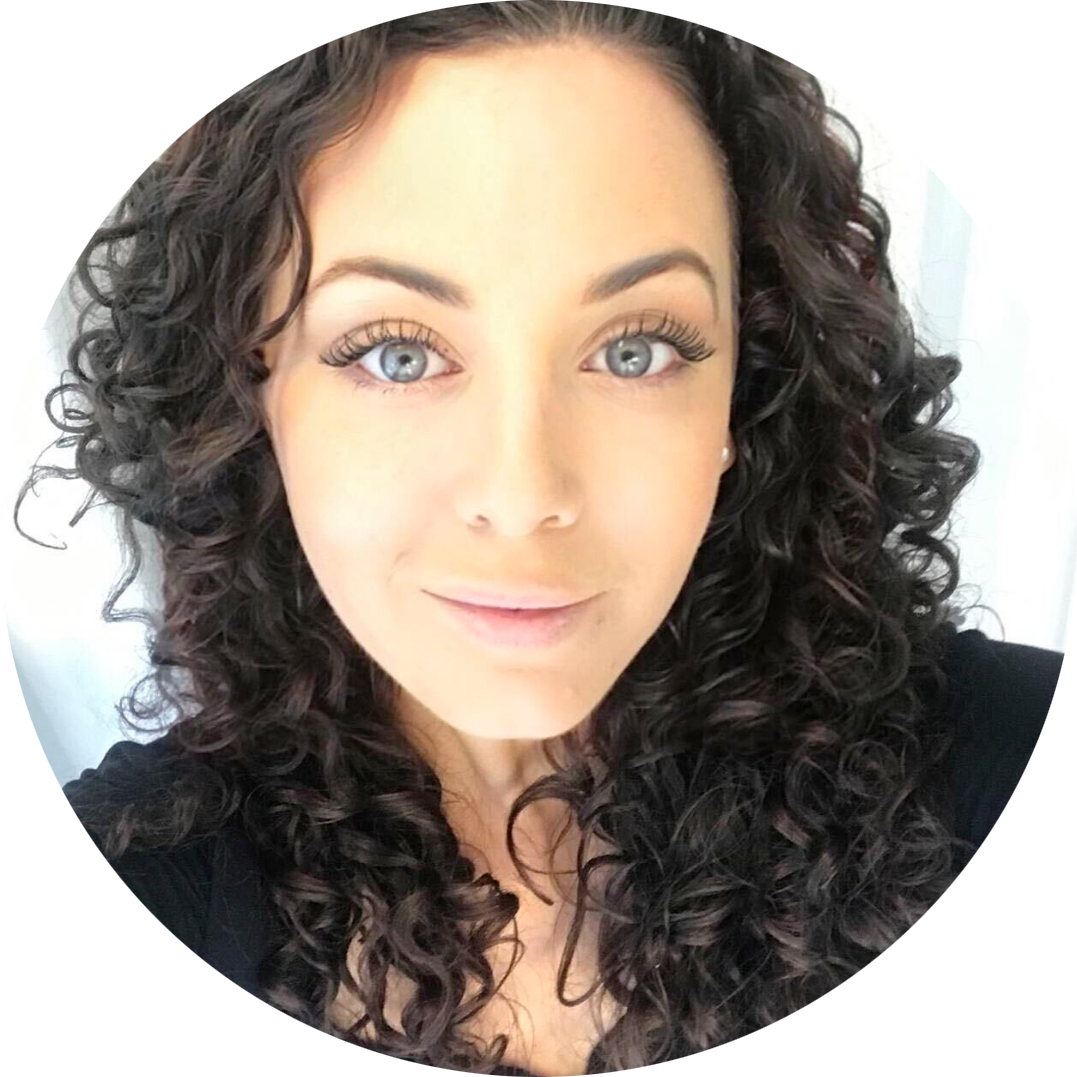
PCT’s Director Liath Dalton
Senior Consultant Evan Dumas
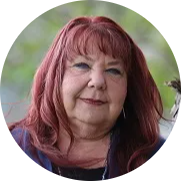
Frances J. Harvey, MCPC, CPC
Welcome solo and group practice owners! We are Liath Dalton and Evan Dumas, your co-hosts of Group Practice Tech.
In our latest episode, we chat with Francis Harvey from Therapist Headquarters about her new resource for therapists.
We discuss:
- The origin of Therapist Headquarters
- What resource collections are available on therapistheadquarters.com
- Learning what you weren’t taught in grad school about running a business
- The process for vetting therapist resources
- Common HIPAA security and compliance misconceptions for therapists
- The importance of HIPAA compliance and safeguarding information in our current political climate
- The future vision for Therapist Headquarters as a living resource

Therapy Notes proudly sponsors Group Practice Tech!
TherapyNotes is a behavioral health EMR/EHR that helps you securely manage records, book appointments, write notes, bill, and more. We recommend it for use by mental health professionals. Learn more about TherapyNotes and use code “PCT” to get two months of free software.
*Please note that this offer only applies to brand-new TherapyNotes customers
Resources for Listeners
Resources:
PCT Resources:
- Group Practice Care Premium
- weekly (live & recorded) direct support & consultation service, Group Practice Office Hours — including monthly session with therapist attorney Eric Ström, JD PhD LMHC
- + assignable staff HIPAA Security Awareness: Bring Your Own Device training + access to Device Security Center with step-by-step device-specific tutorials & registration forms for securing and documenting all personally owned & practice-provided devices (for *all* team members at no per-person cost)
- + assignable staff HIPAA Security Awareness: Remote Workspaces training for all team members + access to Remote Workspace Center with step-by-step tutorials & registration forms for securing and documenting Remote Workspaces (for *all* team members at no per-person cost) + more
- HIPAA Risk Analysis & Risk Mitigation Planning service for mental health group practices — care for your practice using our supportive, shame-free risk analysis and mitigation planning service. You’ll have your Risk Analysis done within 2 hours, performed by a PCT consultant, using a tool built specifically for mental health group practice, and a mitigation checklist to help you reduce your risks.
Group Practices
Get more information about how PCT can help you reach HIPAA compliance while optimizing and streamlining your practice.
Solo Practitioners
Get more information about how PCT can help you reach HIPAA compliance while optimizing and streamlining your practice.