
Transcript
[Transcript] Episode 516: Documentation Dilemmas & Strategies with Dr. Maelisa McCaffrey of QA Prep
Evan Dumas
You’re listening to Group Practice Tech, a podcast by Person Centered Tech, where we help mental health group practice owners ethically and effectively leverage tech to improve their practices. I’m your co-host, Evan Dumas.
Liath Dalton
And I’m Liath Dalton, and we are Person Centered Tech.
Liath Dalton
This episode is brought to you by Therapy Notes. Therapy Notes is a robust online practice management and electronic health record system to support you in growing your thriving practice. Therapy Notes is a complete practice management system with all the functionality you need to manage client records, meet with clients remotely, create rich documentation, schedule appointments and bill insurance all right at your fingertips. To get two free months of Therapy Notes as a new Therapy Notes user go to therapynotes.com and use promo code PCT.
Evan Dumas
Hello and welcome to Episode 516: Documentation Dilemmas and Strategies with Dr. Maelisa McCaffrey of QA prep,
Liath Dalton
Today we have the privilege of being joined by the marvelous Dr. Maelisa McCaffrey of QA Prep, who is also author of Stress Free Documentation for Mental Health Therapists: The Complete Guide to Progress Notes, Treatment Planning, and Medical Necessity. Welcome, Maelisa, it’s such a pleasure to have you on.
Dr. Maelisa McCaffrey
Yeah, thank you Liath. It is awesome to be here, and I love singing the praises of Person Centered Tech, so I’m happy to be a part of anything you guys are doing.
Liath Dalton
Well, I’m excited, because this is the first time that we are having a conversation since your book was published, and then it also coincides with your doing an upcoming training, actually, two trainings for PCT on the topic of documentation.
Liath Dalton
And I’m really excited about the next upcoming one that I like to refer to is the Compendium, because we’re going to talk about all the all the things, including a new hot topic, or not new hot topic, but newly impactful and really significant topic in our current sort of practice context, of documenting sensitive topics around different identities and immigration status and that sort of thing.
Liath Dalton
So looking forward to that, because we’ve been getting a lot of questions about how to manage that, and that’s one thing that brings up some stress for therapists. But I want to kind of go back to your origin story with with QA Prep and to writing your book as well, because I know a lot of that centers around why clinicians find documentation so stressful and so, yeah, what, what led you to sitting here today and having created and curated the resources that you have around documentation?
Dr. Maelisa McCaffrey
Yeah. I mean, it really started with me working in quality assurance at a pretty large mental health agency in California, and then I kind of moved on into the QA field in a couple of different agencies, and so that gave me better experience as as far as all the different ways that you know documentation can go wrong, and how policies are taught, and why, why we hear about different policies that we, that we are trained in when we do get training in documentation.
Dr. Maelisa McCaffrey
And one of the most common things that I heard after I did a training. So I was fortunate to work at an agency that really valued training the therapists there on documentation, and so it was a really key part of all the training that they got. And a lot of my job, at least half of my job, was actually just training people. And then the other half was, you know, maybe creating some other trainings, or doing research on things, or attending meetings at the county or actually reviewing files, but at least half of it was training.
Dr. Maelisa McCaffrey
And so the most common thing I heard after a training, whether it was training new interns who were literally starting their first week in clinical work, or whether it was training someone who had been in the field for 20 years, I would hear the same thing. Which is like, thank god, because I never learned this in grad school. Thank you so much for this training. We didn’t hear, I didn’t learn anything about this in grad school.
Liath Dalton
Just like HIPAA!
Dr. Maelisa McCaffrey
Or for the more. Yeah.
Liath Dalton
Exactly.
Dr. Maelisa McCaffrey
Seasoned people, often they would say, like, I didn’t learn any of this in any of my other jobs, you know. So it really had nothing to do with how experienced someone was, how kind of a clinician they were. It was just that there’s a significant lack of training. And in a way that makes sense. If you think about what are the requirements for documentation, and we all kind of know, like we have to write progress notes as therapists. And essentially our, most of our ethics codes, whether it’s APA, NASW, ACA, that’s what they say. You should write notes.
Dr. Maelisa McCaffrey
You know? And there’s very little guidance. And that’s a good thing, because we do. We all, you know, just personally myself, I have worked in college counseling centers. I have worked in learning disability assessment. I have worked in on a crisis response team, where we were in the field all the time. I’ve worked in private practice. I’ve worked in a school based counseling setting, and there are some other jobs in there, I think, too, right? And all of those required very different types of documentation. And even if it was doing therapy, in the different settings, I was documenting different things.
Dr. Maelisa McCaffrey
I’ve worked with kids and done play therapy, which is different than working with teens, which is different than working with adults. And so there’s no way we can have like one documentation mandate. There is no template that your state can give you and say, you know, you need to write notes in this way, because we don’t, we don’t actually want that.
Dr. Maelisa McCaffrey
And I also found, as I started working with people more and more, and then, you know, got feedback that my friends in private practice would appreciate this type of training. And so I started this business, QA Prep, start offering this training to people who aren’t in these agency settings and getting this training right?
Liath Dalton
Right.
Dr. Maelisa McCaffrey
And as I started doing that, I found people also really want some guidance.
Liath Dalton
Yes.
Dr. Maelisa McCaffrey
And so when I would work, especially with therapists who were starting a private practice and had been in agencies, the most common thing I would hear there is like, I know I don’t have to, I’m so glad I don’t have to do all this paperwork anymore, all this stupid paperwork for this agency that feels like it’s so, so much paperwork. And but now I don’t know what I do need to do.
Liath Dalton
Right.
Dr. Maelisa McCaffrey
Like I know I still need to write notes, but I don’t, I know they don’t, probably don’t need to be as detailed as I’ve been doing for this other entity. But what do I have to write? And that question is very difficult to answer. And I always joke for any of my trainings that my answer to every question is going to be, it depends. And I can give you the different scenarios, right? We can talk through them, but it’s very rare that I can give a black and white yes or no answer to any documentation question, there’s so much nuance, and that’s both a good thing and a very anxiety provoking thing.
Liath Dalton
Right. So then, how do you combat that? Or how do you equip clinicians to be able to write accurate thorough, like, sufficiently thorough for the use application of those those notes in their practice context, what are the sort of myths that you try to dispel and some of the like essential pieces of information that you want to impart. Where you’re like if you don’t have these misconceptions and you understand these key sort of framework, like conceptual framework pieces of how documentation should be approached, you will be able to manage the needs of proper documentation within your practice setting?
Dr. Maelisa McCaffrey
Yeah, I think the first thing I always look at is what is meaningful to you. So what is actually useful to you as the clinician? Because you’re the one that’s the most likely to ever even look at these notes, right? And I mean, hopefully a lot of the time, most of your clients will never see these notes. No one will ever see these notes about your clients. You may not even ever look at them again and need them. And that is somewhat comforting, but then also, can be a little frustrating, because it’s so much work and so much time invested in it.
Dr. Maelisa McCaffrey
And the thing is, we cannot guarantee that’s always going to be the case. It is likely at some point you’ll have some type of records request, and when that does come, you want to be prepared for that.
Liath Dalton
Right.
Dr. Maelisa McCaffrey
So I encourage people to look at what are the practical things. And I often talk about like the three most common people that are going to read your notes. And so from there, because we have so few ethics guidance or guidelines, and so few specifics from states or other laws that are telling us what to go in the notes, I like to kind of instead think, what are the worst case scenarios when notes are going to be revealed, and what would need to be in the notes there, and what criteria are these different entities going to use to evaluate these notes? And that’s how we can determine, for one, what are you most likely to actually need notes for? And two, what are the requirements we should prioritize?
Dr. Maelisa McCaffrey
So the three common scenarios where notes are revealed are to your clients. So your clients want the notes for some reason, which often is a court case, right? That’s, you know, most clients don’t just randomly ask for their notes and just want to read them, just for the fun of it. It’s usually a reason. So it’s probably going to be either coordinating care with another provider or a court case is a commonly used reason, right?
Dr. Maelisa McCaffrey
The other person that is frequently going to be looking at notes is is an attorney. Because often these are useful tools for court cases, as far as, you know, whether that is in your client’s favor or not. And then the other, probably most common, person that might be looking at your notes as an auditor, right? For insurance purposes. And so, and that can also vary, whether it’s a Medicare audit, which is a little different than a commercial or private insurance audit, which is a little different than if you work with an EAP or some other type of less regulated type of insurance.
Dr. Maelisa McCaffrey
But looking at those scenarios, we can say, Okay, why would this potentially happen? What could potentially be harmful and what might be needed? Sorry, I missed a big one, which is a board, the licensing board. That’s the other board that you want to think about, right?
Liath Dalton
Right, right.
Dr. Maelisa McCaffrey
So it’s the licensing board, typically clients, which is kind of, I throw in the court cases, usually in with that, and then an audit, an insurance audit.
Liath Dalton
Right.
Dr. Maelisa McCaffrey
And so, I think thinking through that logically is actually very helpful. And I think it’s kind of similar to what you encourage people to do with their their own policies related to HIPAA and thinking about technology, how they use it, how do they keep information secure, right? It’s like, okay, what are my personal risks, you know, as a clinician? What are the likely scenarios based on the people I work with, where these things might happen, and how can I then protect client information and make it useful, right? And it’s always balancing those two things.
Liath Dalton
And I think the useful piece is so important, and an area where, at least from my vantage point, I will often see a disconnect. That there is still very much a sort of perception of notes, progress notes being private and like the therapist’s and not something that clients have a right to access in the therapist’s mind.
Liath Dalton
And so sometimes when we’re talking about rights of access under HIPAA or under the 21st Century Cares Act, aka the Information Blocking Rule, there can be this profound dis-ease that gets generated of: wait what they have pretty much absolute rights of access and the preventing harm exceptions are actually really, really limited and just having emotional discomfort or even potential to rupture an effective therapeutic alliance aren’t sufficient reasons to to withhold release.
Liath Dalton
So I think that can create concern over like how to manage that useful documentation, but then reframing it as well, part of why clients have a right to access and why documentation does need to be thorough is accurate is because it is actually part of client care, or very much can be right?
Liath Dalton
You want another provider to be able to understand what led you to make the decisions, the diagnosis and treatment decisions that you did, and to understand what care was provided right? And clients need to be able to access that information to make informed and autonomous choices about their health care as well. So how do you then, kind of balance that piece of useful and not harmful when, when you’re guiding folks?
Dr. Maelisa McCaffrey
Yeah, and so it’s, you know, looking at those scenarios and what is most likely for you, for the types of clients you see, and then also asking the question, what is helpful for me?
Dr. Maelisa McCaffrey
So one example is, you know, I’m not trained in EMDR, have, have not done any training in it at all, but I’ve worked with lots of people who are trained in it, and a lot of times, therapists who are trained in EMDR want to track very specific things related to that modality, right? This is just one example, and if that is useful for them and helps them to know what they’ve worked on before, how the client is presenting, what is working well, what’s not, what are trends that they are able to notice and see, you know? Then I say absolutely. Is that a, but is that a required part of anyone’s documentation? No. There is no requirement that you have to add specific things about EMDR to a progress note. Like that does not exist. But it could be very useful to do so. And so thinking through what is actually useful to me as the clinician, and those things will often be relevant in these other scenarios as well.
Dr. Maelisa McCaffrey
Now, where this comes up, I think the most frequently, and why people more frequently reach out to me initially, is related to insurance, because that’s a little bit more black and white. And we can, we can look at actual medical necessity criteria. Now that is still very much up for interpretation. I would argue it’s still a little bit gray, but we do at least know, if you’re in the US and working with insurance, you need to justify medical necessity. And that needs to be a part of your documentation if you’re working with insurance. And so, and even if you give clients a superbill, right? And so.
Dr. Maelisa McCaffrey
And this brings up another good thing, which I think kind of, overall, answers your more general question, which is that all of this really also has to do with informed consent. And making sure that, like, the amount of time I talk about informed consent related to progress notes is surprising. But it’s one example. And if we think about the current political climate and the sensitive topics, and if we think about that balance of information being quote, unquote private, but also, and confidential, but also being useful, then this is where it’s helpful to think about: am I letting my client know what might happen with this documentation, and am I discussing that with them?
Dr. Maelisa McCaffrey
So in the example of insurance, and especially with superbills, as soon as someone says, I want to get a superbill right, I want, I think I can submit this receipt for reimbursement by my insurance company. I do think it’s our job as clinicians to explain to people what that means, instead of just giving them carte blanche, like, oh yeah, I’ll just make up some random diagnosis and I’ll start doing these notes.
Liath Dalton
Right.
Dr. Maelisa McCaffrey
No, it’s important for people to understand that they will have a mental health diagnosis, for example. Some people don’t know that, that working with insurance means that right? And that this now means their insurance company can request all of their records, and if they say no to that request, may not pay them, and might even request money back, right?
Liath Dalton
Right.
Dr. Maelisa McCaffrey
So that is just something that as clinicians, we understand, as being part of the trade, that not all people get. And so as soon as you hear these types of scenarios come up, talk with your clients about it. Because when people have that information, sometimes they make the choice, oh, actually, never mind. I don’t want that to be a thing, so no. And then you can worry about a little bit less as well.
Liath Dalton
Right, right.
Dr. Maelisa McCaffrey
But also, I think this is something that you know as far as sensitive topics, things like immigration status, clients talking about abortions or even miscarriages or other pregnancy loss. Clients who are transgender or or I’ve even heard from a lot of like people who work with LGBTQ couples, right? All these different scenarios. I think the way in which we document, I do think it, there is a balance of asking people what would they prefer, or lettin,g and or letting people know what you are documenting.
Dr. Maelisa McCaffrey
And I think one, that’s a way to help empower people in times where they are feeling very, very disenfranchised and like things are going backwards.
Liath Dalton
Yes.
Dr. Maelisa McCaffrey
For them, and it’s also a way to just very practically talk with people about it. So for example, in the case of working with transgender clients, instead of us taking on this power and responsibility of, what do I do? Do I change these notes? How do I refer to this person? Because I’ll hear so many clinicians feeling like they have to make that decision. But no. I would say, ask, ask your clients. Talk with your clients. Is this something you’re worried about? Is this something you’re concerned about that? Do you want me to change? I have been referring to you in this way. Would you like me to change that? Or do you have an opinion about that, or feelings about that, right? And kind of using this in tandem with your documentation requirements.
Dr. Maelisa McCaffrey
You can’t not document about seeing somebody, but I can ask them how they want me to refer to them in the notes. And that, there’s no legal standard that you have to use, you know, in most cases, there’s not going to be a legal standard. And if there were, you could still talk to the client about it. And say, hey, here’s what I need to do. This is, for example, this is your legal name for billing. We need to submit this. What would, is that different from something else you want me to have in your documentation?
Dr. Maelisa McCaffrey
And so that’s a very real, very practical example of how actually talking with clients about the process, I think actually eases anxiety on the clinician side and empowers people to, like you said, have more autonomy over their records. There are times where you can’t, someone might ask you to do something you can’t do. So I’m not saying that you always talk with clients and do everything that they request, but having that conversation and making sure people are aware of potential things that might come up or might be in their records is really important.
Liath Dalton
Absolutely. Now, in the context of a group practice that is trying to support their clinicians in managing the stresses of documentation and having these conversations with clients and setting a policy, what are some really essential elements that you think should be either addressed in in how documentation is approached within a group practice, setting or policy contents?
Dr. Maelisa McCaffrey
Yeah. So I have some really specific things for this one, that are maybe not easy to implement, but actually fairly simple. Number one, have a template. Have a progress note template, and tell people you use, this is what you use. This is how you write notes. It has these components. We have determined this is what’s most useful.
Dr. Maelisa McCaffrey
Because from a practice perspective, that’s the best way to protect yourself as the group practice owner, because you have some control over what people are documenting. And then, from a clinician perspective, I promise you, it is the least stressful way to manage things.
Dr. Maelisa McCaffrey
Because the number one thing I hear from people, as I mentioned, with someone starting their own private practice, is what what goes in a progress note? What do I need to put in a note? They actually, most, the vast majority of your clinicians, if you’re a group practice owner, your people, do not want you to give them flexibility and have to make that choice themselves. They want you to say, here’s my approved progress note template. Here’s how to do it.
Dr. Maelisa McCaffrey
And so actually giving more guidance rather than less is typically very well received. So that’s number one, is just like, make those determinations. Yes, you can tweak it and make changes to it, but but have something very specific that you give people as guidance.
Dr. Maelisa McCaffrey
And then the other thing would be as a policy, have a policy around reviewing documentation. So, you know, actually have a policy around when notes are due. I would recommend within five days, ideally within 48 hours.
Liath Dalton
Mhm.
Dr. Maelisa McCaffrey
Practically speaking, if your policy is within 48 hours, then you actually investigate it and find out within five days, and then talk to someone and then manage things. And so now we’re looking at two weeks by the time the note is actually in, whereas, if your policy is a week, you know, we just push back that time frame.
Liath Dalton
Right.
Dr. Maelisa McCaffrey
Everything blows up very quickly. And so, you know, have some very specific policies around when notes are due and then when, when and how they’re reviewed. It doesn’t mean that you as the practice owner have to do all the reviews. You know, I encourage actually, practice owners to use their admin support a lot, because maybe they, your administration support can’t determine, you know if major depressive disorder, severe or moderate or adjustment disorder is the most appropriate diagnosis, but they can, they can probably do 70% of the auditing that relates to documentation, and often they’re much better at it than even the clinical leaders you would have in your practice.
Dr. Maelisa McCaffrey
So it doesn’t mean that creating these policies has to be a ton more work for you, or even that it has to be done by a single person, but it needs to be done by someone who can be on top of things. Like you have to have somebody running, someone has to run a report every single week about which notes are outstanding. I mean, that is like the, if there’s one mistake I see supervisors in general make, it’s just not staying on top of that, not reviewing notes. And your clinicians are feeling that anxiety if they’re starting to get behind and then it’s even more so if they’re part of a group, and then they’re like, trying to hide that and trying to cover it up, and it’s so much easier if you just don’t ever let that become an issue. It’s always checked, it’s always reviewed, we talk about it, we address it immediately, and we don’t let things get out of hand.
Liath Dalton
I love that. I know one thing you’ve talked about in prior trainings that had a lot of appeal to me for multiple reasons was the collaborative documentation approach. Is that something that you think group practices should consider having flexibility around? Like clinicians can determine if they want to do that or not? Or should it be managed as a requirement? Do you have any sort of thoughts on on how to address that piece of things?
Dr. Maelisa McCaffrey
Yeah, I, I hesitate to say it should be a requirement. I think it’s a great option. I think it’s something to encourage. And I think it’s also fair to make it a requirement if someone is struggling, because practically, a lot of times there really is very little time for documentation. And if someone just takes a little bit longer, then it may save them hours, literally, if they could do this with clients.
Dr. Maelisa McCaffrey
I would also say, I think it, I always shared, when I had a private practice, I always shared my notes with my clients so they, I actually wrote my notes with the assumption that they would read them. And so the whole Open Notes concept was was actually not a scary thing to me, because I was like, I’ve been doing that for years right.
Liath Dalton
Right.
Dr. Maelisa McCaffrey
And I bring that up because I did that, because I knew I needed some way to keep myself accountable in a private practice where I was the sole person. And so in a group practice, that’s less the issue, if you’re being good about reviewing those things. But the side benefit I got from it was that it really made me think a little bit. It made me think more about how I was writing things, because I was writing them kind of to the client, my progress notes, and when I did get records requests, it wasn’t stressful. There was none of that initial fear that so many people are familiar with, because what, I already knew my clients were seeing these notes every single week. They already had seen everything in them. This records requests, the only stress related to it was me explaining to people, you know, hey, do you want your attorney to see it, and kind of reviewing with them their rights and potential consequences.
Liath Dalton
Right.
Dr. Maelisa McCaffrey
But frankly, for a lot of clinicians, the stress is around your clients actually seeing those notes. And I didn’t have that. And so while it may not be, a, it’s not always a popular thing to mandate or to try out, but overwhelmingly, when I work with clinicians and they do try it, it is a positive experience, and it is often also a lifesaver time management wise.
Liath Dalton
And I can see that being extremely useful, particularly in a group practice setting where managing people staying on top of their notes, and having the notes be useful and meet all of the requirements can really become a massive undertaking and challenge and stress, both for the clinical team and for the leadership and, you know, just to kind of mushroom cloud out from from there.
Dr. Maelisa McCaffrey
Yeah. Yeah, exactly.
Liath Dalton
I love that this is a strategy that kind of addresses each of the main pain points that can can come up in documentation.
Liath Dalton
Well, we are going to end this conversation here for today, but to those of you listening along, please do be sure first of all, to check out Maelisa’s excellent book on Stress-Free Documentation for Mental Health Therapists. It really is a complete guide and has all kinds of phenomenal resources and, you know, template components within it. So do check that out.
Liath Dalton
And then please also join us for Maelisa’s upcoming CE training on Client Centered Documentation: How to Write Ethical, Effective and Efficient Progress Notes, and that, as always, will be both live and then on demand after the fact. So check it out. That’ll be something that is good for both practice leadership and for any clinician.
Liath Dalton
Thanks again, Maelisa.
Dr. Maelisa McCaffrey
Thank you.
Liath Dalton
This has been Group Practice Tech. You can find us at personcenteredtech.com. For more podcast episodes, you can go to personcenteredtech.com/podcast, or click podcast on the menu bar.
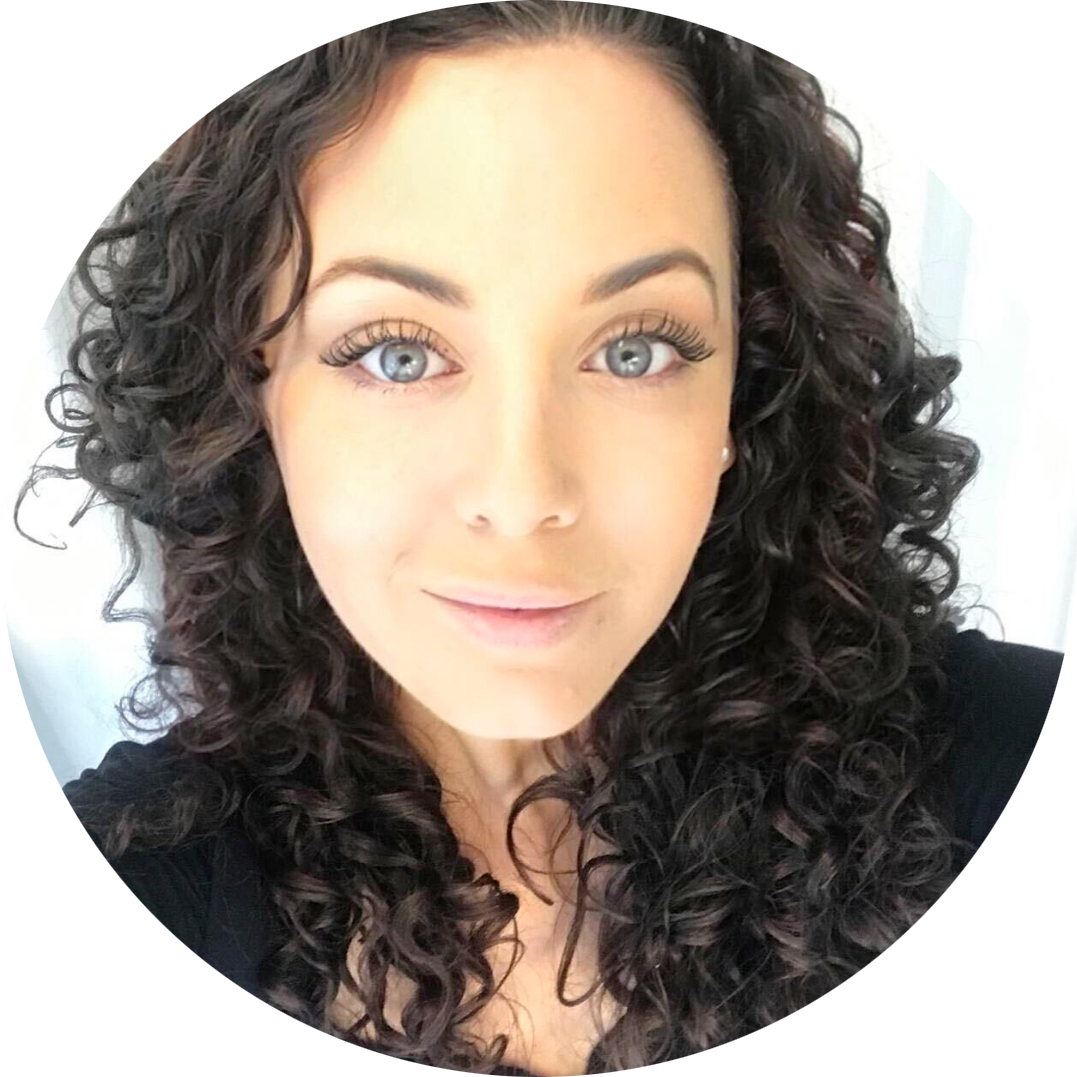


Your Hosts:
PCT’s Director Liath Dalton
Senior Consultant Evan Dumas
Dr. Maelisa McCaffrey of QA Prep
Welcome solo and group practice owners! We are Liath Dalton and Evan Dumas, your co-hosts of Group Practice Tech.
In our latest episode, we chat with Dr. Maelisa McCaffrey of QA Prep about common documentation issues that come up in group practice.
We discuss:
- Maelisa’s background and business, QA Prep
- Why there aren’t black and white guidelines for documentation
- How to determine what to include in documentation
- The most common people who will read your notes
- Informed consent and documentation, especially for vulnerable populations
- Progress note templates and policies
- Collaborative documentation in group practice
- Why clinicians find documentation so stressful
- Our upcoming CE training with Maelisa on Client Centered Documentation
Therapy Notes proudly sponsors Group Practice Tech!
TherapyNotes is a behavioral health EMR/EHR that helps you securely manage records, book appointments, write notes, bill, and more. We recommend it for use by mental health professionals. Learn more about TherapyNotes and use code “PCT” to get two months of free software.
*Please note that this offer only applies to brand-new TherapyNotes customers
Resources for Listeners
Resources & further information
PCT Resources:
- CE Training: Client-Centered Documentation: How to Write Ethical, Effective, and Efficient Progress Notes
- Join Dr. Maelisa McCaffery as she offers a practical and principled guide to mastering progress notes that meet medical necessity standards, support continuity of care, and respect client rights and confidentiality. Plus: Dr. McCaffery’s documentation packet to help you improve your notes including:
- Sample progress note
- Progress statement formula and examples
- Phrases to use for sensitive and politically charged topics
- 3 legal-ethical CE credit hours
- Live (May 9th, 2025) *and* Recorded On-Demand Self-Study CE Training
- Ideal for clinical leadership + all clinicians
- Special Office Hours with Dr. Maelisa McCaffrey: Join Dr. Maelisa McCaffrey as she and the PCT team tackle *your* specific questions regarding documentation.
- This is special access to top experts in our industry available only to Practice Care Premium members. Register to attend these special sessions through Practice Care Premium
- You can get Office Hours through Practice Care, or get 3 months of complimentary access through our Telemental Health Certificate Program.
- Group Practice Care Premium
- weekly (live & recorded) direct support & consultation service, Group Practice Office Hours — including monthly session with therapist attorney Eric Ström, JD PhD LMHC
- + assignable staff HIPAA Security Awareness: Bring Your Own Device training + access to Device Security Center with step-by-step device-specific tutorials & registration forms for securing and documenting all personally owned & practice-provided devices (for *all* team members at no per-person cost)
- + assignable staff HIPAA Security Awareness: Remote Workspaces training for all team members + access to Remote Workspace Center with step-by-step tutorials & registration forms for securing and documenting Remote Workspaces (for *all* team members at no per-person cost) + more
- HIPAA Risk Analysis & Risk Mitigation Planning service for mental health group practices — care for your practice using our supportive, shame-free risk analysis and mitigation planning service. You’ll have your Risk Analysis done within 2 hours, performed by a PCT consultant, using a tool built specifically for mental health group practice, and a mitigation checklist to help you reduce your risks.
Group Practices
Get more information about how PCT can help you reach HIPAA compliance while optimizing and streamlining your practice.
Solo Practitioners
Get more information about how PCT can help you reach HIPAA compliance while optimizing and streamlining your practice.